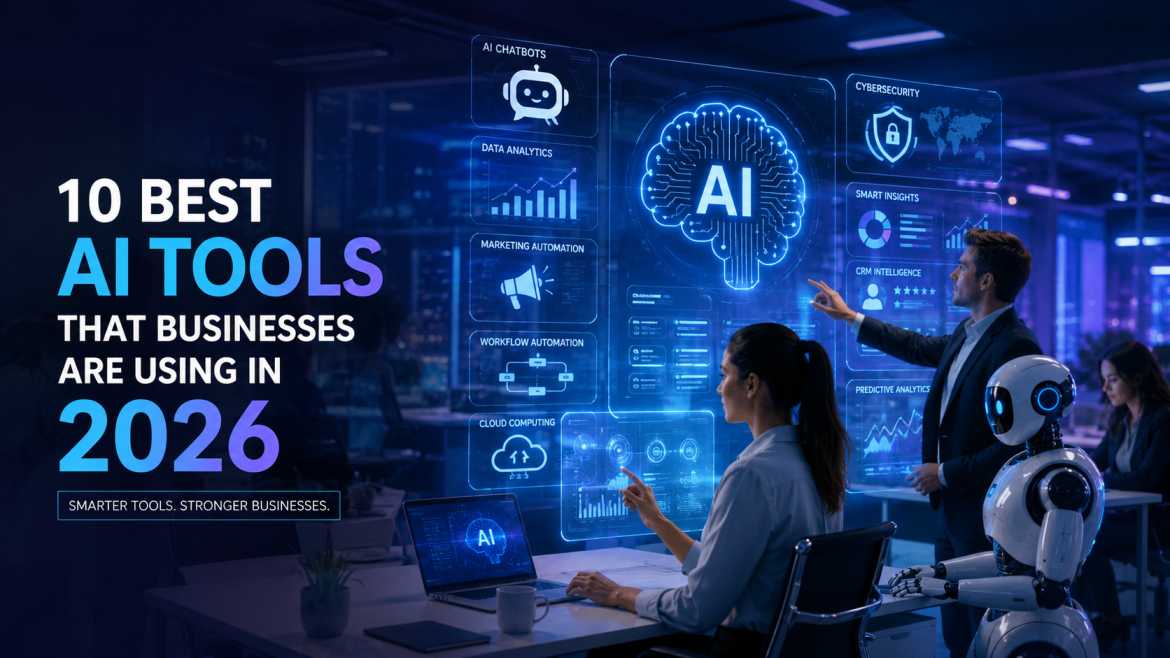
Artificial intelligence is no longer a futuristic idea shown only in movies or tech conferences. In 2026, AI has become part of everyday life, especially in the workplace. From customer support chatbots to self-checkout systems and automated content creation tools, businesses across the world are rapidly adopting AI technologies to reduce costs and improve efficiency.
While AI is creating new opportunities, it is also replacing many traditional jobs that humans have performed for decades. This shift is changing industries faster than most experts predicted. Employees in sectors like customer service, manufacturing, transportation, retail, data entry, and even content creation are beginning to feel the impact.
For businesses, AI offers speed, scalability, and lower operational expenses. For workers, however, the rise of automation has created uncertainty about the future of employment. Many people now wonder which jobs are safe, which careers are at risk, and how society will adapt to this technological transformation.
The reality is more complex than simply “robots replacing humans.” Artificial intelligence is reshaping how work is done. Some jobs are disappearing completely, while others are evolving into new forms that require different skills.
In this article, we will explore how AI is replacing traditional jobs, which industries are most affected, the benefits and risks of automation, and what the future workforce may look like in the coming years.
Understanding Artificial Intelligence in the Workplace
Artificial intelligence refers to computer systems that can perform tasks typically requiring human intelligence. These tasks include:
- Learning from data
- Understanding language
- Recognizing patterns
- Solving problems
- Making decisions
- Automating repetitive work
Modern AI systems powered by machine learning and generative AI have become incredibly advanced. Businesses now use AI tools for writing, design, coding, analytics, customer service, and even hiring decisions.
Unlike earlier software programs that followed fixed instructions, modern AI systems can adapt and improve over time. This makes them highly valuable for companies trying to improve productivity and reduce labor costs.
Why Businesses Are Replacing Human Jobs with AI
The biggest reason businesses adopt AI is simple: efficiency.
AI systems can often perform repetitive tasks faster, cheaper, and more consistently than humans. Companies facing rising operational costs see automation as a way to remain competitive.
1. Lower Costs
Hiring employees involves salaries, insurance, training, office space, and benefits. AI systems can reduce many of these expenses.
For example, an AI chatbot can handle thousands of customer inquiries daily without breaks, vacations, or overtime pay.
2. Increased Productivity
AI tools can complete tasks within seconds that may take humans hours.
Examples include:
- Data analysis
- Content generation
- Report creation
- Inventory management
- Appointment scheduling
Businesses can operate more efficiently with smaller teams.
3. 24/7 Availability
Unlike human workers, AI systems do not need rest. Automated systems can work continuously without fatigue.
This is especially useful for:
- Customer support
- Online retail
- Banking services
- Cybersecurity monitoring
4. Reduced Human Error
AI systems are designed to follow instructions consistently. In many cases, they reduce mistakes caused by fatigue or distraction.
Industries like manufacturing, healthcare, and finance increasingly rely on automation to improve accuracy.
Industries Where AI Is Replacing Traditional Jobs
AI is affecting nearly every industry, but some sectors are experiencing faster disruption than others.
1. Customer Service Jobs
Customer support is one of the most heavily automated industries today.
Many companies now use AI-powered chatbots and virtual assistants to answer customer questions, process refunds, and solve common problems.
Modern AI chatbots can:
- Understand natural language
- Respond instantly
- Handle multiple customers simultaneously
- Learn from conversations
As a result, businesses need fewer human support agents.
Real-World Example
Banks, e-commerce companies, airlines, and telecom providers now use AI support systems to manage large volumes of customer interactions.
Instead of hiring hundreds of call center workers, businesses rely on automated systems for basic support tasks.
Impact on Workers
Entry-level customer support roles are declining rapidly. Workers now need more advanced communication and technical skills to remain competitive.
2. Manufacturing and Factory Work
Manufacturing has been using automation for decades, but AI-powered robotics has accelerated job replacement significantly.
Modern factories now use intelligent robots for:
- Assembly line work
- Packaging
- Quality inspection
- Warehouse management
AI robots work faster than humans and can operate continuously with minimal supervision.
Advantages for Companies
- Lower production costs
- Faster manufacturing speed
- Reduced workplace accidents
- Improved consistency
The Human Cost
Many traditional factory jobs that once employed thousands of workers are disappearing, especially in industries focused on repetitive labor.
Workers without technical training may struggle to find replacement jobs.
3. Retail and Cashier Jobs
Retail businesses are increasingly automating shopping experiences.
Self-checkout systems, AI inventory tracking, and cashier-less stores are reducing the need for human staff.
Some stores now use:
- Computer vision systems
- AI-powered payment technology
- Automated inventory management
Customers can enter stores, pick products, and leave without interacting with a cashier.
E-Commerce Automation
Online retailers also use AI for:
- Product recommendations
- Customer service
- Pricing optimization
- Warehouse automation
This reduces staffing requirements while improving efficiency.
4. Transportation and Delivery Jobs
The transportation industry faces major disruption due to autonomous vehicle technology.
Self-driving systems powered by AI are being developed for:
- Trucks
- Taxis
- Delivery vehicles
- Public transportation
Although fully autonomous transportation is still evolving, many logistics companies already use AI to optimize delivery routes and reduce labor costs.
Potential Future Impact
Millions of drivers worldwide may face job uncertainty if self-driving technology becomes widely adopted.
This includes:
- Truck drivers
- Taxi drivers
- Delivery workers
- Ride-sharing drivers
5. Data Entry and Administrative Work
Administrative jobs involving repetitive computer tasks are highly vulnerable to AI automation.
AI tools can now:
- Organize documents
- Process forms
- Schedule meetings
- Analyze spreadsheets
- Generate reports
Businesses increasingly automate these tasks to improve efficiency.
Why These Jobs Are at Risk
AI systems excel at handling structured information quickly and accurately.
Tasks that once required large office teams can now be completed using software automation.
6. Content Creation and Media Jobs
One of the biggest surprises in recent years is how AI is affecting creative industries.
AI writing tools can generate:
- Blog posts
- Marketing copy
- Product descriptions
- Social media captions
- Scripts
AI image generators and video editing tools are also transforming digital media production.
Impact on Freelancers and Agencies
Businesses that previously hired writers, designers, or editors for simple projects now use AI tools to reduce costs.
However, human creativity still remains important for:
- Strategy
- Storytelling
- Emotional communication
- Brand identity
AI is replacing repetitive creative work faster than highly original or strategic work.
7. Banking and Financial Services
Banks and financial companies increasingly rely on AI for:
- Fraud detection
- Risk analysis
- Loan approvals
- Customer support
- Investment recommendations
Automated systems can analyze financial data far faster than humans.
What This Means for Workers
Traditional back-office roles in banking are shrinking as AI systems handle repetitive financial tasks.
Employees now need analytical and technical skills rather than routine processing abilities.
Jobs That AI Cannot Easily Replace
Although AI is replacing many traditional jobs, some professions remain difficult to automate completely.
These jobs usually require:
- Emotional intelligence
- Human relationships
- Creativity
- Critical thinking
- Physical adaptability
Examples Include
- Therapists
- Teachers
- Nurses
- Social workers
- Skilled trades
- Leadership roles
- Creative directors
AI may assist these professions, but full replacement remains unlikely in the near future.
How AI Is Creating New Jobs
While automation removes certain jobs, it also creates entirely new industries and career paths.
Some of the fastest-growing roles include:
- AI engineers
- Machine learning specialists
- AI ethics consultants
- Prompt engineers
- Data scientists
- Cybersecurity experts
- Automation specialists
Businesses adopting AI technologies need skilled workers to build, manage, and improve these systems.
The Importance of Reskilling
As AI transforms the workforce, reskilling has become essential.
Workers who adapt to new technologies are more likely to remain employable in the future economy.
Valuable Skills for the AI Era
Technical Skills
- Data analysis
- Coding
- AI tool management
- Digital marketing
- Cybersecurity
Human Skills
- Communication
- Creativity
- Leadership
- Problem-solving
- Emotional intelligence
The future workplace will likely reward people who can combine human creativity with technological understanding.
Ethical Concerns About AI Replacing Jobs
The rise of AI has also created serious ethical and economic concerns.
Rising Unemployment
Rapid automation could increase unemployment in industries heavily dependent on repetitive labor.
Governments and businesses may need to create new policies to support displaced workers.
Economic Inequality
Companies benefiting from automation may become more profitable while lower-skilled workers struggle financially.
This could widen economic inequality if opportunities for retraining remain limited.
Mental Health and Identity
For many people, work provides purpose and stability. Losing jobs to automation can impact confidence, identity, and mental health.
Society may need new ways to support workers during technological transitions.
Will AI Completely Replace Humans?
Despite rapid advances, AI still has limitations.
AI systems lack:
- True human emotions
- Deep empathy
- Moral judgment
- Real-world understanding
- Independent consciousness
Most experts believe the future will involve collaboration between humans and AI rather than total replacement.
Businesses still need human workers for:
- Leadership
- Innovation
- Relationship-building
- Strategic thinking
- Ethical decisions
Instead of eliminating all jobs, AI is more likely to change the nature of work itself.
Preparing for the Future of Work
The workforce of the future will look very different from today’s workplace.
People entering the job market should focus on adaptability rather than relying on a single skill set for life.
Important Strategies
- Learn digital skills
- Stay updated with AI trends
- Build creativity and communication abilities
- Embrace continuous learning
- Use AI as a productivity tool instead of fearing it
Workers who understand how to work alongside AI may have a major advantage in future industries.
Final Thoughts
Artificial intelligence is transforming the global workforce at an unprecedented speed. Businesses across industries are replacing traditional jobs with automated systems to improve efficiency, reduce costs, and remain competitive.
Customer service, manufacturing, retail, transportation, administrative work, and even content creation are all experiencing major disruption due to AI-powered technologies.
At the same time, AI is also creating new career opportunities for people with technical and creative skills. The challenge for workers is adapting to this changing landscape through education, reskilling, and continuous learning.
The future of work will not simply be humans versus machines. Instead, it will likely become a partnership where humans focus on creativity, leadership, and emotional intelligence while AI handles repetitive and data-driven tasks.
Businesses that successfully combine human talent with artificial intelligence will shape the next era of the global economy.